
No products in the cart.

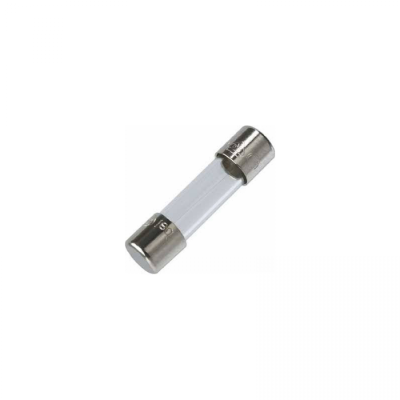
Glass Fuse 8A – 250V (Size T5x20mm)
In Stock
EGP0.75
In Stock
Add to WishlistRemove from Wishlist
CompareAdd to Wishlist
Description
Glass Fuse 8A – 250V (Size T5x20mm)
A Glass Fuse 8A – 250V (T5x20mm) is a safety component used to protect electrical circuits from overcurrent conditions. When the current flowing through the fuse exceeds the rated value (8A in this case), the fuse element melts, disconnecting the circuit and preventing damage to sensitive components. This particular fuse is commonly used in low to medium voltage circuits and is housed in a glass casing for easy visual inspection.
Key Features:
- Current Rating:
- 8A (Amps) is the rated current for this fuse. It is designed to allow normal current flow up to 8 amps. If the current exceeds this value, the fuse will blow and disconnect the circuit.
- Voltage Rating:
- The 250V rating indicates the maximum voltage the fuse can handle without breaking down or allowing electrical arcing. This fuse can safely operate in circuits with voltages up to 250 volts AC or DC.
- Size and Dimensions:
- The T5x20mm size refers to the dimensions of the fuse. It has a 5mm diameter and is 20mm long, making it suitable for many standard electronic devices and appliances. The glass tube allows for easy visual inspection of the fuse element.
- Glass Tube Construction:
- The fuse is housed in a glass tube for visual inspection. This allows users to easily check if the fuse has blown and needs replacing. Glass fuses also offer a compact and transparent housing for effective protection.
- Type:
- T5x20mm is a standard fuse size widely used in household and industrial appliances. The “T” designates a cylindrical shape (often referred to as “tube fuses”), which is the most common form used for through-hole mounting.
- Blow Time:
- Glass fuses like the 8A 250V fuse typically have a fast blow characteristic, meaning they will blow quickly when exposed to a significant overcurrent condition. This provides protection against sudden current surges.
- Material:
- The fuse element is typically made from a metallic wire or alloy that melts when excessive current flows through it, breaking the circuit.
- Certification and Safety:
- The fuse should meet safety standards like UL (Underwriters Laboratories) or CE (Conformité Européenne), indicating it has been tested for safety and reliability in electrical systems.
Applications:
- Electronic Devices:
- Commonly used in electronic appliances, power supplies, charging circuits, and audio equipment to prevent damage from excessive current.
- Home Appliances:
- Used in televisions, microwaves, air conditioners, blenders, and other household appliances for protection against overcurrent scenarios.
- Industrial Equipment:
- These fuses are also used in industrial machinery, tool circuits, and manufacturing equipment where the risk of short circuits or overloads could damage more expensive components.
- Power Supply Protection:
- In power supplies and adapters, the 8A 250V fuse helps protect against overcurrent and short circuit conditions, ensuring the connected device doesn’t get damaged.
- Automotive Circuits:
- Some vehicles use glass fuses in their electrical circuits, especially in low-voltage applications like radio or lighting systems.
- Lighting Circuits:
- Can be used in lighting systems, especially for safety lights or overhead lighting where fuses protect from power surges.
Specifications:
| Specification | Value |
|---|---|
| Current Rating | 8A |
| Voltage Rating | 250V |
| Size | T5x20mm |
| Fuse Type | Glass (Clear for visual inspection) |
| Blow Type | Fast Blow |
| Temperature Range | -55°C to 125°C |
| Body Material | Glass |
| Typical Application | Household appliances, electronics, power supplies, industrial equipment |
| Certification | UL, CE (typically) |
How the Glass Fuse Works:
A glass fuse works by utilizing a metal wire or filament inside the fuse housing. When the current exceeds the fuse’s rated current (in this case, 8A), the wire inside the fuse heats up due to the excess current, eventually melting and breaking the circuit. The glass casing is transparent, allowing you to visually inspect whether the fuse has blown or not.
- Normal Operation: The current flows normally through the fuse without issue, as long as it remains under 8A.
- Overcurrent Situation: If the current exceeds 8A, the metal filament inside the fuse heats up and melts, breaking the circuit and disconnecting the power.
- Visual Inspection: Because the fuse is made of glass, you can see the broken filament inside the fuse tube and immediately know if the fuse has blown and needs replacement.
Advantages of Glass Fuses:
- Cost-Effective:
- Glass fuses are generally inexpensive, making them a common choice for low-cost and consumer electronics.
- Easy to Inspect:
- The transparent glass casing allows you to easily inspect the fuse to determine if it’s blown, making it convenient to check and replace.
- Reliable Overcurrent Protection:
- Glass fuses provide reliable protection against overcurrents that could damage sensitive electrical components.
- Compact Size:
- Glass fuses, especially the T5x20mm size, are compact and easy to incorporate into various devices and systems without taking up significant space.
Disadvantages of Glass Fuses:
- Fragility:
- Glass fuses are relatively fragile compared to other fuse types like ceramic fuses, meaning they can be more prone to breaking or cracking under impact or vibration.
- Limited Reusability:
- Once a glass fuse blows, it must be replaced, as it cannot be reset or reused like some other types of circuit protection (e.g., circuit breakers).
- Limited Current and Voltage Ratings:
- The 8A current rating and 250V voltage rating are appropriate for many low-voltage applications but may not be suitable for higher-power or industrial applications that require higher ratings.
How to Use the Glass Fuse:
- Determine Fuse Rating:
- Ensure the 8A rating is suitable for your circuit and that the 250V voltage rating is higher than the operating voltage in your application.
- Install the Fuse:
- Insert the fuse into the designated fuse holder or fuse socket in your circuit. The fuse should be connected in series with the circuit, meaning the current flows through the fuse.
- Replace If Blown:
- If the fuse blows (i.e., the filament inside the glass tube is broken), replace it with a new fuse of the same rating. Do not use a fuse with a higher current rating as it will not protect the circuit effectively.
Only logged in customers who have purchased this product may leave a review.
Related products


- Image
- SKU
- Rating
- Price
- Stock
- Availability
- Add to cart
- Description
- Content
- Weight
- Dimensions
- Additional information
Reviews
There are no reviews yet.