
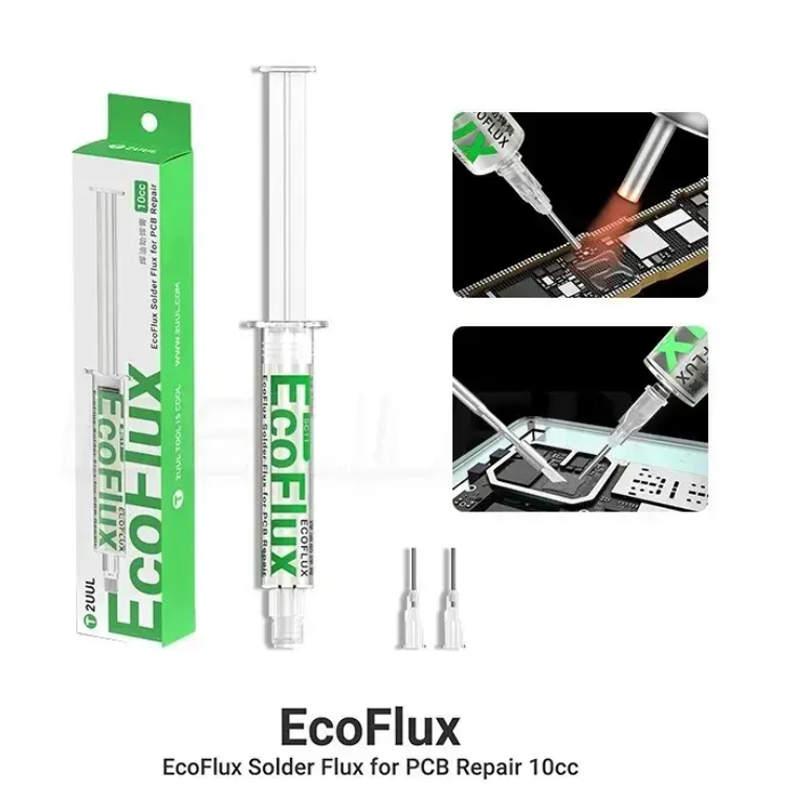
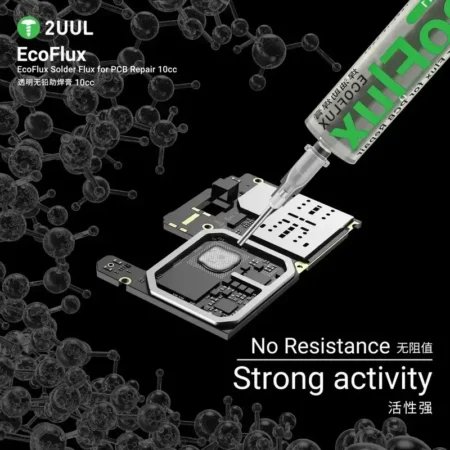

2UUL Eco Flux (SC11) Solder Flux for PCB Repair 10cc
SKU: 8252830
Pick up from store
Shipping 2-3 business days
EGP 245.00
EGP 250.00
-2%
Add to Cart
Description
2UUL SC11 EcoFlux Flux Paste
The 2UUL SC11 EcoFlux Flux Paste is a workshop-friendly flux paste formulated for electronics soldering and rework. Use it to improve wetting, speed up joint formation, and make challenging connections—fine-pitch IC pins, oxidized pads, shield tabs, and wire terminations—behave predictably during both leaded and lead-free work. Its paste form lets you place a controlled amount exactly where you need it for consistent results.
Why it’s useful
- Stronger wetting, faster joints — helps solder flow onto pads, vias, and component leads with fewer retries.
- Great for SMD rework — supports drag-soldering, bridge cleanup with braid, and pad touch-ups on fine-pitch parts.
- Precise placement — paste consistency stays where you apply it, reducing mess around dense footprints.
- Easier cleanup — residues can be cleaned using your standard board-safe solvent routine if required by your process.
- Everyday versatility — useful for wire tinning, connector shells, ground pours, and stubborn pads.
Common use cases
- Drag-soldering QFP/QFN/TSSOP lead rows with a knife or chisel tip.
- Bridge removal using copper braid: flux the bridge, lay braid, apply heat, lift straight up.
- Pad preparation on oxidized or aged boards before placing new parts.
- Wire & header work where quick wetting avoids prolonged heat on plastics.
- Shield cans & ground tabs that require extra activation along large copper areas.
Technique tips (quick wins)
- Thin film, not a blob — a light coating often outperforms heavy application.
- Pre-tin the iron — keep a small solder bead on the tip; re-tin frequently for consistent heat transfer.
- Let the flux do the work — if a joint resists, add a touch of flux and re-approach rather than increasing force.
- Use braid correctly — press the braid and tip together on the joint; remove both at once to avoid wicking too much copper heat.
- Post-process hygiene — follow your standard cleaning/inspection routine, especially around fine-pitch pins.
Related Products
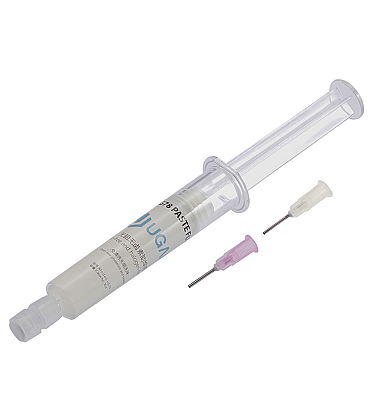
M&R Solder Eco Flux Paste Lead Free Smoke Free No-Clean Soldering (UA-78) 10CC
EGP 220.00
EGP 250.00
View Product
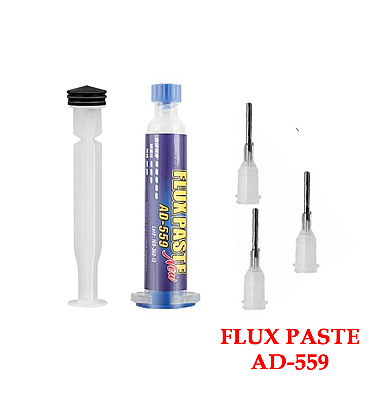
MECHANIC Flux Paste (AD-559) 10ml
EGP 175.00
EGP 200.00
View Product
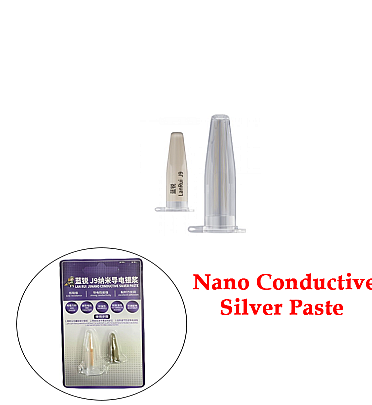
Lanrui J9 Nano Conductive Silver Paste (0.8gm)
EGP 450.00
EGP 495.00
View Product
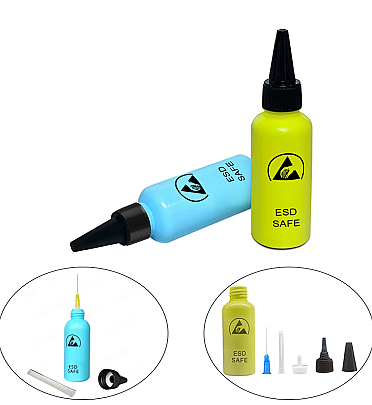
M&R Anti-Static Alcohol Bottle Solvent Dispenser Leak-Proof With Needle Capacity 60ML (1pcs)
EGP 75.00
EGP 90.00
View Product
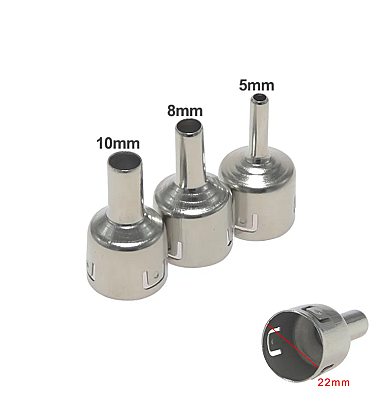
Universal Hot Air Gun Nozzle Set 3pcs 5mm 8mm 10mm (22mm)
EGP 150.00
EGP 200.00
View Product
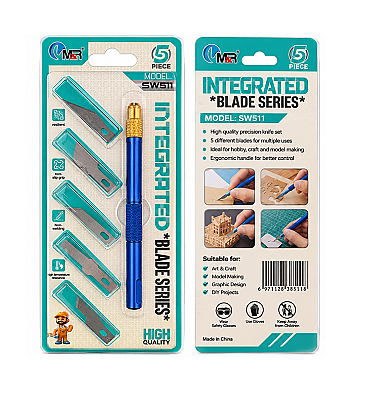
M&R Detail Cutting Knife with 5 Blades (SW-511)
EGP 300.00
EGP 350.00
View Product
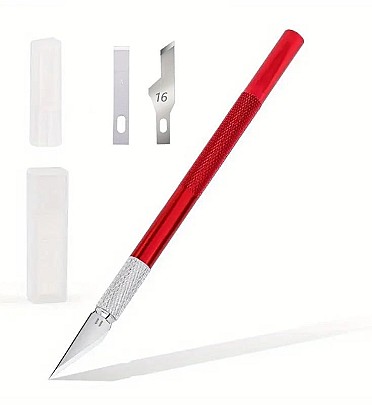
M&R Detail Cutting Knife with 3 Blades (SW-306)
EGP 90.00
EGP 100.00
View Product
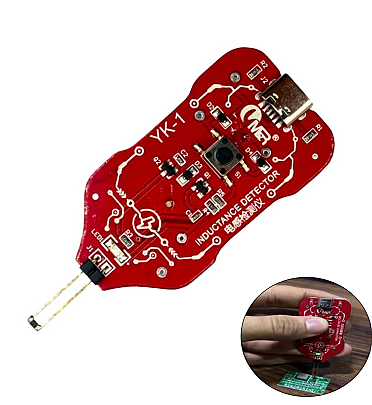
M&R Inductance Detector for Phone Motherboard PCB Repair Electromagnetic Fault Point Detection Check Tool
EGP 300.00
EGP 450.00
View Product