
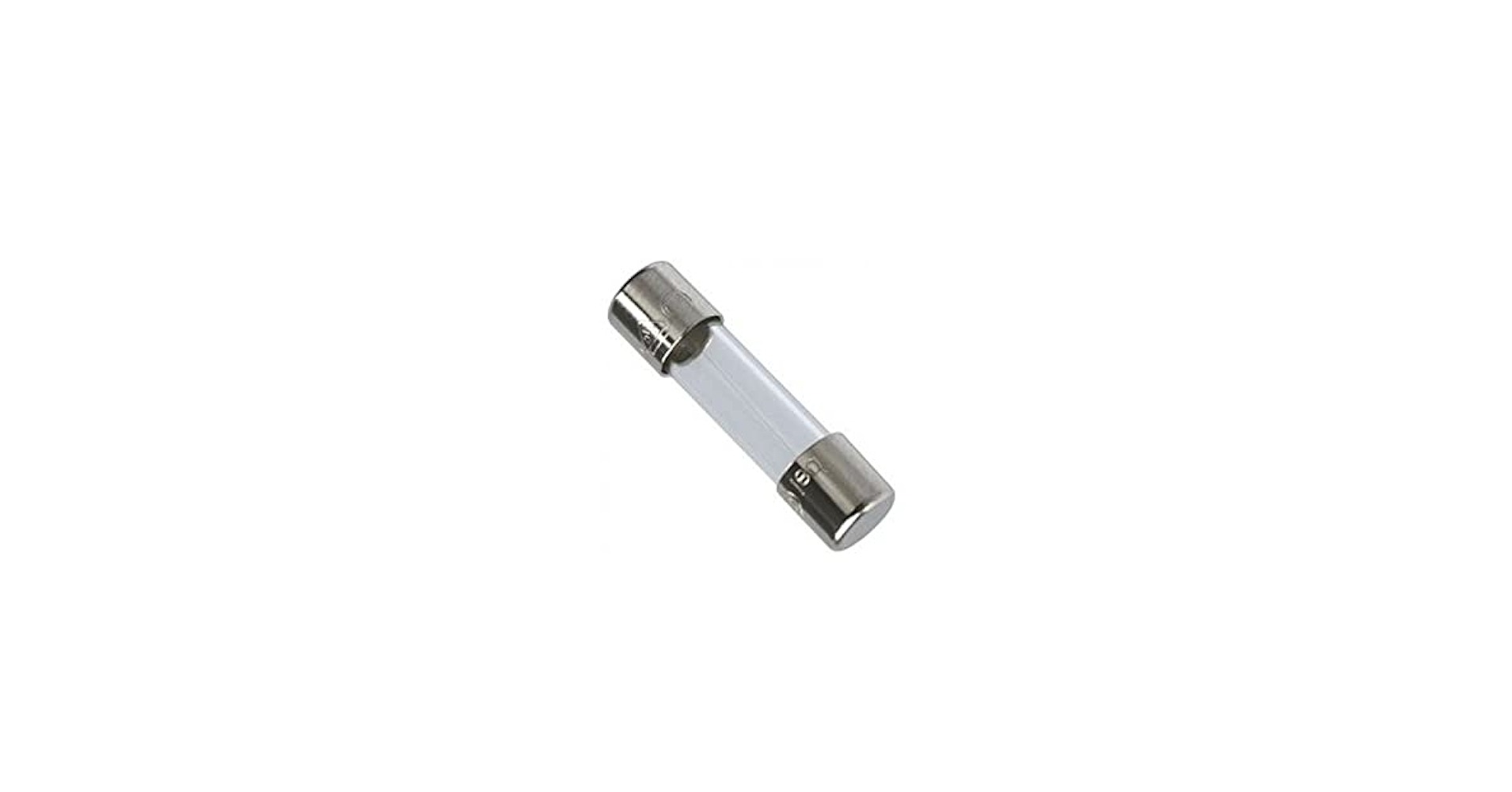
Glass Fuse 1A - 250V (Size T5x20mm)
SKU: 13698
Pick up from store
Shipping 2-3 business days
EGP 0.75
Add to Cart
Description
A Glass Fuse 1A - 250V (Size T5x20mm) is a commonly used type of fuse in electronic circuits and devices to protect against overcurrent situations.
Fuses are a type of safety device that "blow" or "break" the circuit when the current exceeds a specified level, helping to prevent damage to the circuit components.
Key Specifications of the Glass Fuse 1A - 250V (Size T5x20mm):
- Current Rating: 1A (Amperes)
- The fuse is designed to handle 1 ampere of current. If the current exceeds 1A, the fuse will blow (break the circuit), protecting the components from damage due to excessive current.
- Voltage Rating: 250VThe fuse is rated for a maximum operating voltage of 250 volts. This means the fuse is suitable for circuits where the voltage does not exceed 250V, such as low-voltage DC or AC circuits. In case of overcurrent, it will interrupt the circuit to prevent damage.
- Fuse Type: Glass (T5x20mm)Glass Fuse: The fuse body is made from clear glass, allowing for visual inspection to see if the fuse has blown. This is useful because you can quickly check if the fuse is intact or needs to be replaced.
- Size: T5x20mm refers to the physical dimensions of the fuse:
- T stands for "tube" shape.
- 5mm (diameter) and 20mm (length) are the standard dimensions for these fuses.
- This is a common size for small electronic devices and components.
- Blow Characteristics:
- Fast Blow or Slow Blow: The Glass Fuse 1A - 250V could be either fast-blow or slow-blow, depending on the design. A fast-blow fuse reacts quickly to overcurrent situations, whereas a slow-blow fuse is designed to withstand short current surges (like those that occur when turning on a device) before blowing. Always check the specific fuse description to ensure you're using the right type for your application.
- Rated Breaking Capacity:
- This refers to the maximum current the fuse can interrupt safely. Typically, small glass fuses like this one have a breaking capacity ranging from 35A to 150A (depending on the manufacturer). Ensure that the fuse breaking capacity is sufficient for your application to safely interrupt fault currents.
- Time-Current Characteristic:
- The fuse’s response time varies with the overcurrent level. A 1A fuse will have a characteristic that depends on the time versus current curve. If the current exceeds the rated value (1A), the fuse will blow after a short time to protect the circuit.
- Material:
- The fuse wire inside the glass tube is typically made of metal (such as copper or silver), which melts when exposed to excess current, breaking the circuit and preventing damage to other components.
Related Products
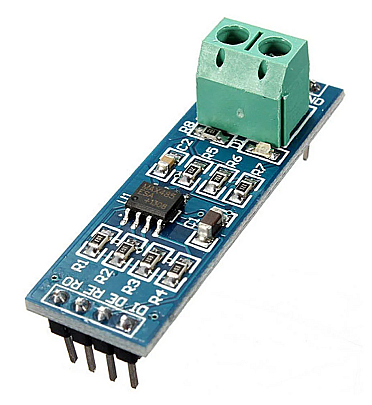
MAX485 TTL To RS485 Converter Module
EGP 60.00
EGP 80.00
View Product
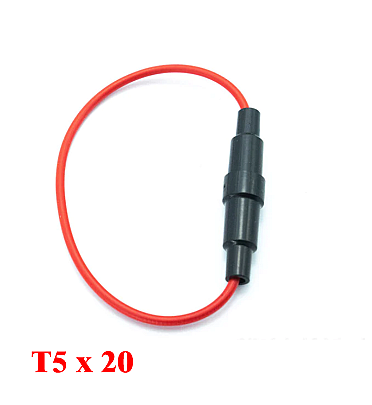
Automotive Car fuse holder Screw Type Wire For Fuse Size (T5x20) Black
EGP 5.50
EGP 10.00
View Product
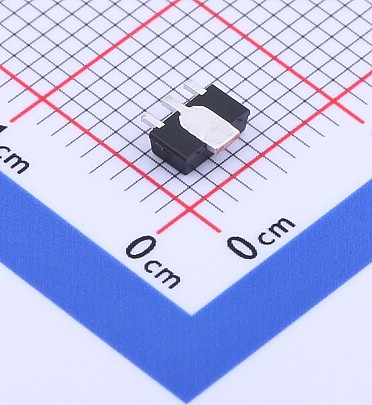
AMS1117 - ADJ - SOT-89 (ADJ Linear Voltage Regulator)
EGP 2.50
EGP 5.00
View Product
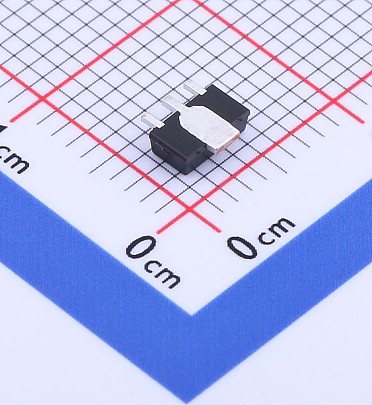
AMS1117 - 5 - SOT-89 (5V Linear Voltage Regulator)
EGP 2.50
EGP 5.00
View Product
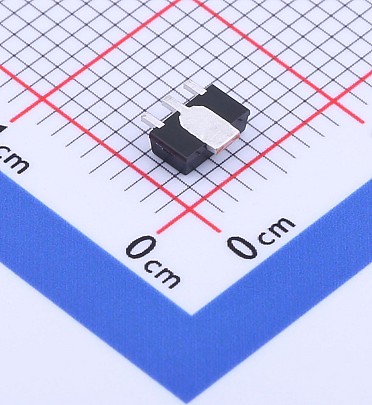
AMS1117 - 2.5 - SOT-89 (2.5V Linear Voltage Regulator)
EGP 2.50
EGP 5.00
View Product
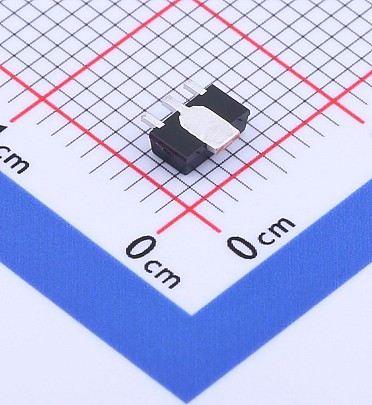
AMS1117 - 1.8 - SOT-89 (1.8V Linear Voltage Regulator)
EGP 2.50
EGP 5.00
View Product
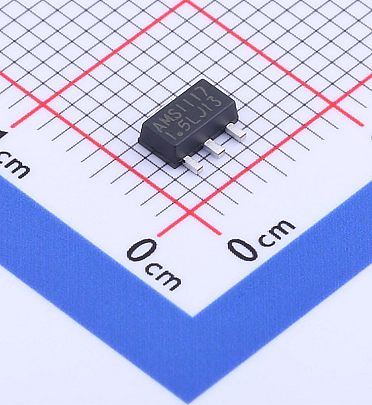
AMS1117 - 1.5 - SOT-89 (1.5V Linear Voltage Regulator)
EGP 2.50
EGP 5.00
View Product
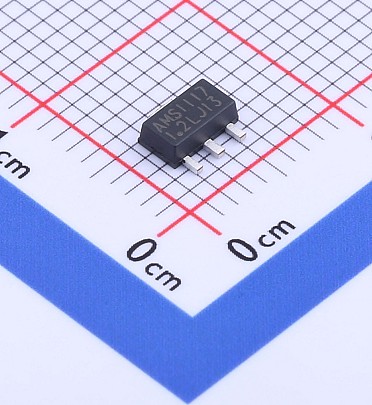
AMS1117 - 1.2 - SOT-89 (1.2V Linear Voltage Regulator)
EGP 2.50
EGP 5.00
View Product